As the Easter season approaches, it is necessary to reflect on our lives and have a closer connection with divinity.
As such, I recommend 6 books in the field of Christian theology and philosophy, especially Catholic. These recommendations can be read anytime, not just around the holidays. It should be noted that the Bible was not included in the list because it is the first book that every Christian reads.
Thus, in addition to the Bible, the 6 literary recommendations that focus on the history of Christianity and Christian life are:
The Imitation of Christ, by Thomas a Kempis
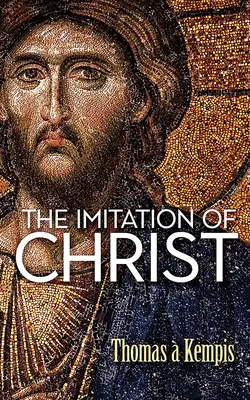
This book presents ancient teachings and is intended to help with a better understanding of the spiritual life. The author’s narrative style is like a guide to perfecting the Christian life, like the example set by Christ.
The Fathers Know Best: Your Essential Guide to the Teachings of the Early Church, by Jimmy Akin
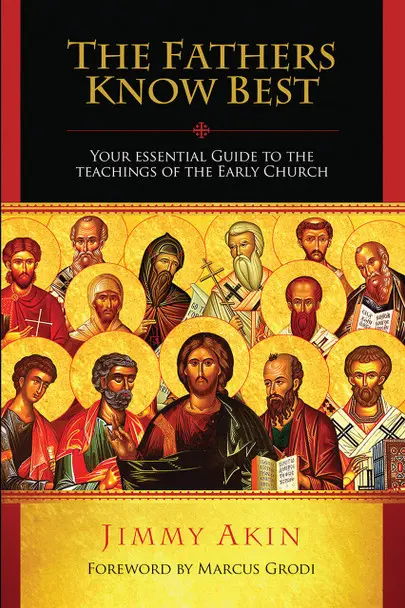
It is a book that talks about the history of Christianity and its origins, but especially about the apostles who spread the Gospel, as Jesus asked. In addition, the book presents several heresies that are also found in the modern world. At the same time, 50 topics are debated, including abortion, homosexuality, divorce, etc.
All this to understand what is good and what is not good from a theological point of view and according to the holy teachings.
On Grace and Free Will, by St. Augustine
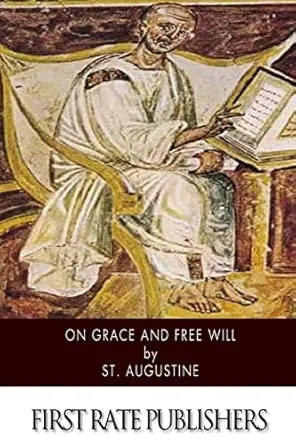
This book talks about free will, what evil is (the absence of good). Where sin comes from, about the grace of God and free will. According to Augustine, grace is necessary together with free will to lead a better life. Furthermore, the Work combats Pelagianism which confesses that the only grace that is not given according to our merits is that of the forgiveness of sins. Augustine argues that good deeds are possible only through the inspiration of God’s grace and are a gift.
Although it can be included as a theological book, it is still a philosophical book, belonging to Saint Augustine (354-430), considered one of the most important Fathers of the Western (Latin) Church and a fundamental theologian of Christianity, more precisely the Catholic Church (or Universal, in Greek) that existed before the Great Schism.
Confessions, by Saint Augustine
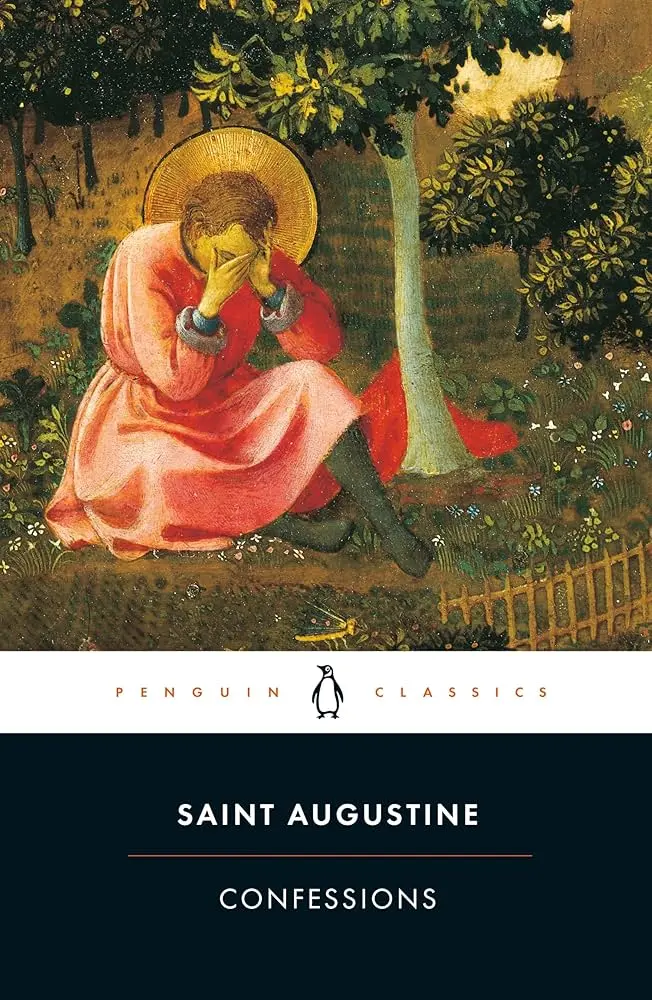
Saint Augustine is the author of this book and one of the greatest Christian theologians in the world. He is considered a Saint by Catholics and Blessed by Orthodox Christians, in honor of his achievements during the Universal Church period.
Regarding the book, I can say that it describes the life of Saint Augustine, from the position of a sinner who experienced the Roman lifestyle, full of temptations; to the position of a wise theologian from the 4th century.
Being an autobiography, you will learn that, before converting to Christianity, Augustine was part of Manichaeism, an ancient religion.
In the book you will also learn about Augustine’s achievements as a Christian and bishop of Hippo, including: combating Manichaeism, bringing valid arguments to the discussion about the falsehood of this ancient religion. At the same time, you will also learn about other heresies that endangered Christianity, but which were combated by Augustine.
It should also be mentioned that the book also emphasizes Augustine’s ardent love for God, but also his regret for a sinful life.
True Devotion To Mary, by Saint Louis de Montford
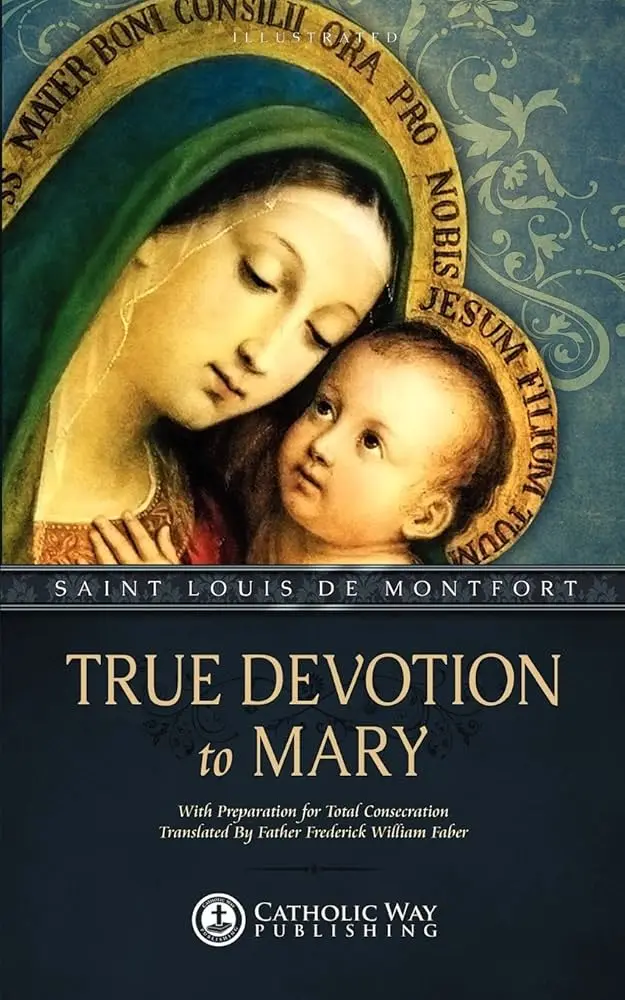
In this book you will learn about the importance of Saint Mary in the fulfillment of God’s plan of salvation. Also, about the power she has as the mother of Jesus and intercessor with God.
Beyond this aspect, the author of the book talks about how Christians can reach Christ more closely through his mother, who is a good intercessor, but also about the power of the rosary, which is based on Holy Scripture.
Great Dialogues of Plato, by Plato
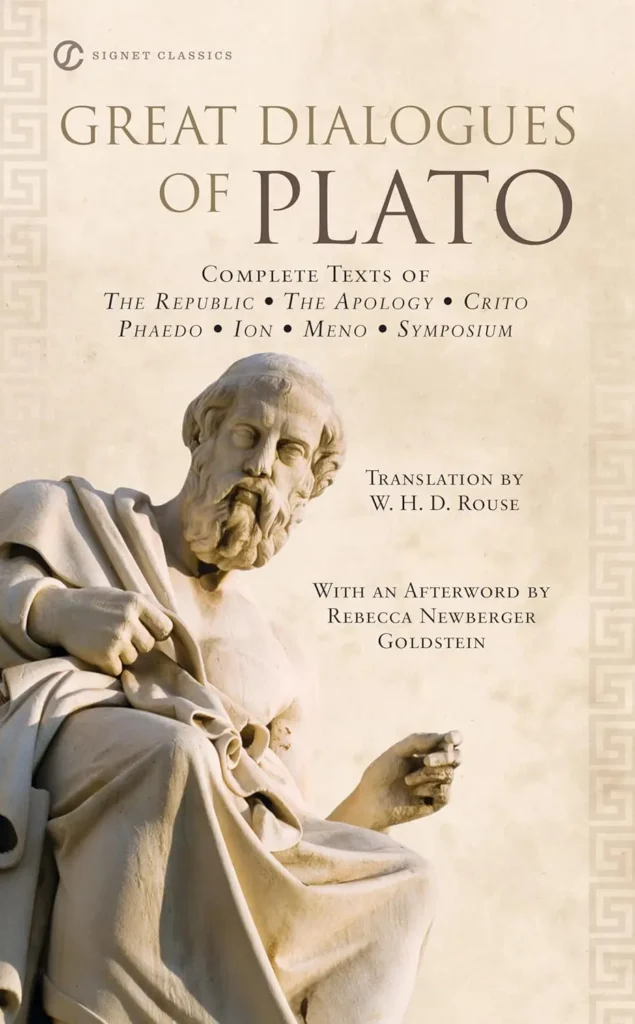
This book cannot be included in the category of theological literature, but it is a philosophical book of great importance for philosophy enthusiasts who want to understand Platonic concepts.
The book collects writings from several of Plato’s works, including The Republic, The Apology, Meno, etc.
Plato lived before Jesus Christ, so he was not a Christian. However, Platonism is a philosophical movement that is associated with and adapted to the Christian faith.
Plato is also known for his statements in Book II of the Republic, in which he asks what would happen if a perfectly righteous man appeared in a wicked world. He predicts that this man would be scourged, tortured, and ultimately “impaled” (a form of crucifixion), suggesting that goodness often faces persecution in a corrupt society.
As such, Platonic philosophy is seen as a prefiguration of the Christian vision. Although it does not directly refer to Jesus Christ. However, by the fact that Plato speaks of the existence of a righteous and perfect man, who risks being killed by a corrupt society, it is understood that indirectly that man is the Messiah, sent by God, because only he can be righteous.
However, Christians should focus on the biblical writings and the teachings of the Church. Plato’s writings can be read simply to better understand what philosophical currents he addresses about metaphysics.
In conclusion, these 6 christian books are recommendations for people who want to delve deeper into theological and philosophical literature about Christianity and the improvement of spiritual life.